
ISSCR News
New Podcast Episode. Born Without a Nose
Bosma arhinia microphthalmia syndrome (BAMS) is a rare genetic disorder resulting in babies born without a nose, along with eye and reproductive anomalies. Our guests today investigated the developmental basis of this distinct defect using induced pluripotent stem cells (iPSCs) derived from patients with BAMS. They assess the differentiation potential of BAMS patient-derived iPSCs into cranial placode cells, a group of progenitor cells that contributes to the formation of the nasal epithelium. This allowed them to study the behavior of the nasal epithelial cells during early development. Their work uncovered cellular mechanisms underlying BAMS and provided new insights into the developmental processes that shape the human nose.

Bayer Named Founding Member of the ISSCR Consortium on Advanced Stem Cell-Based Models in Drug Discovery and Development
The International Society for Stem Cell Research (ISSCR) announces today that Bayer is a Founding Member of the ISSCR Consortium on Advanced Stem Cell-Based Models in Drug Discovery and Development, a global cross-sector initiative focused on accelerating the responsible integration of human stem cell-derived models into preclinical drug development.
Co-chaired by Daniela Cornacchia, AstraZeneca, USA, and Shuibing Chen, Weill Cornell Medicine, USA, the consortium is leading a coordinated international effort to advance the regulatory qualification and adoption of human stem cell-derived models, including organoids, engineered tissues, and microphysiological systems, as New Approach Methodologies (NAMs) for drug discovery and development.
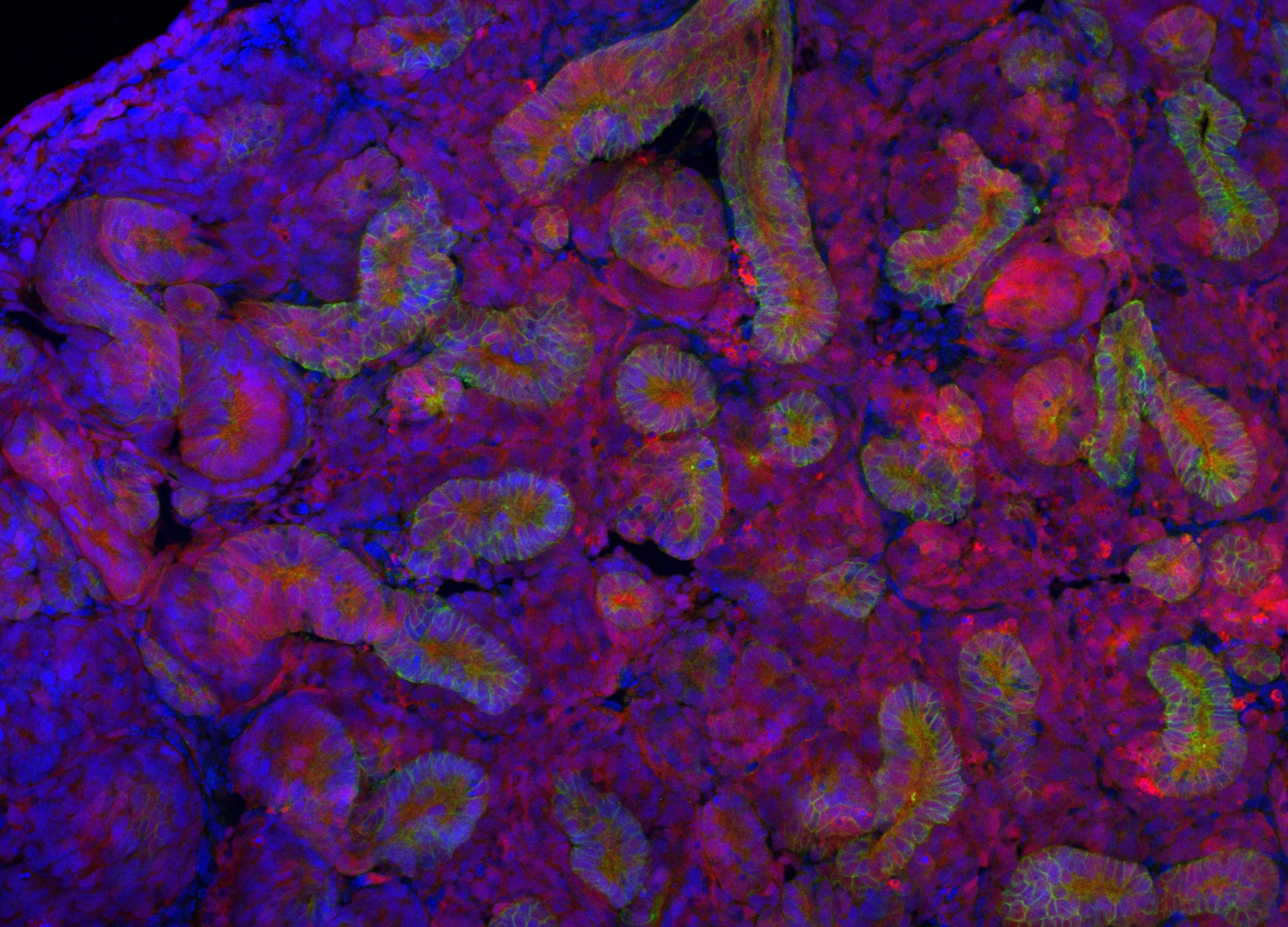
Rat Kidneys Grown in Mice Offer New Insights into Addressing Organ Donor Shortages
In a study published today in Stem Cell Reports, Shunsuke Yuri of the National Center for Geriatrics and Gerontology, Japan and Ayako Isotani of the Nara Institute of Science and Technology, Japan, successfully generated rat-derived kidneys in mice using a technique known as interspecies blastocyst complementation. The researchers created mouse embryos genetically unable to form kidneys, leaving a developmental niche that could be filled by injected embryonic stem cells. When rat embryonic stem cells were introduced into these embryos, they contributed extensively to kidney formation, particularly to nephron progenitor cells and ureteric bud lineages, resulting in the generation of a rat cell-derived kidney.


Member Spotlight: Alessandro Bertero
Because my work spans several fields, I can sometimes feel like an outsider. The ISSCR is the exception. It was the first scientific society I joined, and it remains the one where I feel most fully at home, both scientifically and personally. I deeply value the community I have come to know through the society, and I am eager to help ensure its continued success.
Receive ISSCR Press Releases
Sign up be a part of ISSCR’s media list. Media Contact: Kym Kilbourne, Director of Media and Strategic Communications
Subscribe to ISSCR News.
Each month, ISSCR delivers scientific, policy, and community to your inbox .